
NEWS & INSIGHTS
Stay Informed. Keep Moving.
Related Posts
- ▶ First vs. Second Generation Wheel Hub Bearings: Installation Differences
- ▶ Second Generation Wheel Hub Bearings: Design and Mounting Explained
- ▶ Automotive AC Compressor Bearings: How Heat and Speed Affect Service Life
- ▶ First Generation Wheel Hub Bearings: Design and Installation Basics
- ▶ Why Do Wheel Hub Bearings Fail? Common Causes and Diagnostic Signs
- ▶ Selecting Tapered Roller Bearings for Combined Radial and Axial Loads
Send Us A Message
Why Do Wheel Hub Bearings Fail? Common Causes and Diagnostic Signs
Wheel Hub Bearings support vehicle loads and allow wheels to rotate smoothly. Failure can produce persistent humming, wheel play, or uneven tire wear.
For aftermarket technicians, the priority is to confirm the faulty component and identify why it failed before installing a replacement. Noise alone is not conclusive.
Road testing, inspection, and checks against vehicle specifications help distinguish bearing damage from tire, brake, and drivetrain problems and reduce the risk of repeat repairs.
What Are the Most Common Signs of a Failing Wheel Hub Bearing?
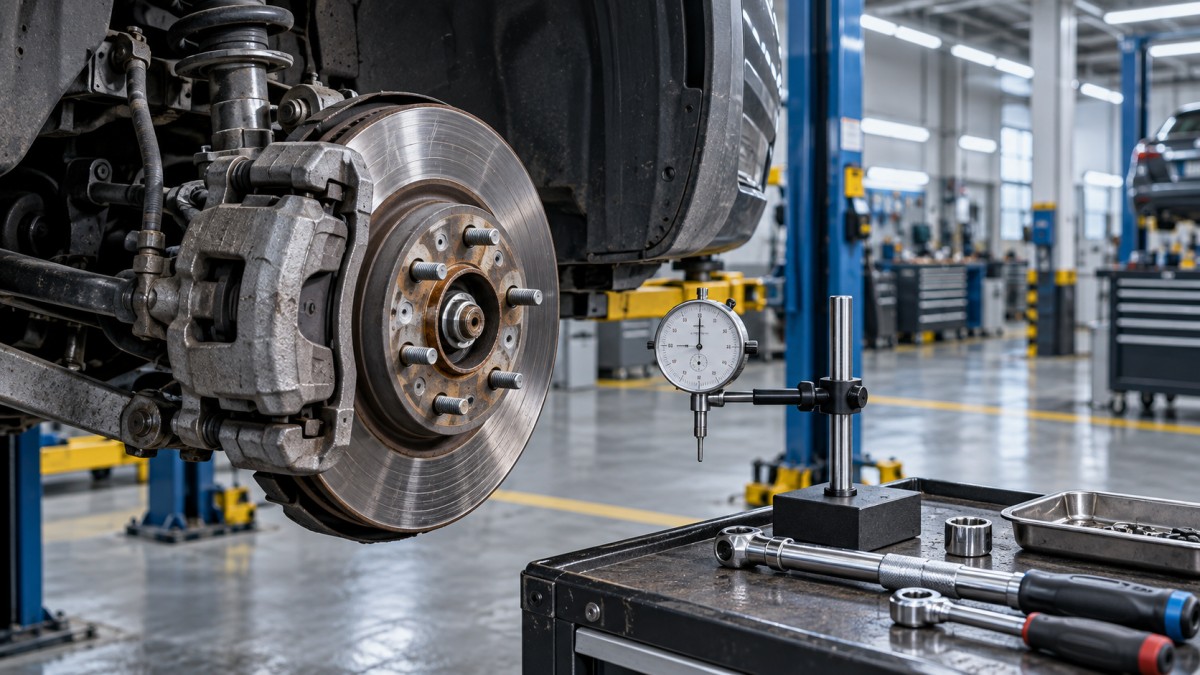
A humming, growling, or rumbling noise that increases with road speed is a common warning sign. The sound may change when steering loads shift.
Excessive wheel play or roughness during rotation can also indicate damage, although some worn bearings remain quiet or show no detectable looseness during inspection.
Other possible signs include vibration, uneven tire wear, and an illuminated ABS warning light. These symptoms have multiple causes and require further testing.
Do not identify the failed side solely from where noise seems loudest inside the cabin. Sound can travel through the body and suspension.
Why Do Wheel Hub Bearings Fail?
Contamination and water ingress: Damaged seals can admit water, dirt, or road salt. Contamination degrades lubrication and promotes corrosion and wear on bearing surfaces.
Impact damage: Potholes, curb strikes, or collisions can damage bearing raceways or adjacent components. The resulting noise may develop gradually after the impact.
Incorrect installation: Applying force through the wrong bearing ring, using unsuitable tools, or damaging a seal can shorten service life before the vehicle leaves the workshop.
Incorrect fastener torque: An improperly tightened axle nut or hub fastener can affect bearing retention or preload, depending on the assembly design.
Operating conditions: Overloading, rough roads, and repeated exposure to water increase stress. Misalignment or damaged suspension components may also contribute to abnormal loading.
Incorrect replacement: A bearing or hub assembly that does not match the vehicle application can cause fitment problems, sensor incompatibility, or premature failure.
How Can You Confirm a Wheel Hub Bearing Fault?
Start with a controlled road test. Note when the noise occurs, whether it follows vehicle speed, and whether it changes during gentle steering inputs.
Inspect tires for irregular wear and check brakes for rubbing or damaged components. Tire noise can closely resemble bearing noise, especially on uneven tread.
With the vehicle safely supported, rotate each wheel and check for roughness or unusual sound. Compare sides, while accounting for normal brake drag.
Check wheel play using the vehicle manufacturer’s procedure. If movement is present, inspect steering and suspension joints to determine whether the bearing is responsible.
Where appropriate, use a chassis listening device or workshop stethoscope to compare suspect locations. Keep clear of moving parts and follow equipment safety instructions.
If an ABS fault is present, read diagnostic codes and inspect the sensor, wiring, and encoder where applicable. A code alone does not prove bearing failure.
What Should You Check Before Fitting a Replacement?
Confirm the part against the vehicle application and relevant identification details. Check mounting dimensions, sensor provisions, and whether the repair requires a complete hub assembly.
Inspect the hub, knuckle, axle, mounting surfaces, and related hardware for damage or corrosion. Correct underlying defects before installing the new bearing.
Follow the manufacturer’s installation procedure, including press support points and specified torque values. Replace single-use fasteners where required and avoid directing press force through rolling elements.
After installation, confirm smooth rotation and check for fault codes where relevant. A final road test helps verify that the original symptom has been resolved.
Key Takeaway for Aftermarket Technicians
Wheel Hub Bearings can fail from contamination, impact, incorrect installation, or demanding operating conditions. Similar symptoms may also originate elsewhere in the wheel assembly.
Confirm the fault through inspection and testing, address the likely cause, and select the correct replacement. This approach supports a reliable repair and reduces repeat work.
- Last One:No more articles
- Next Article:No more articles